
Can You Use FSA or HSA Funds for Braces? What to Know Before the Year Ends
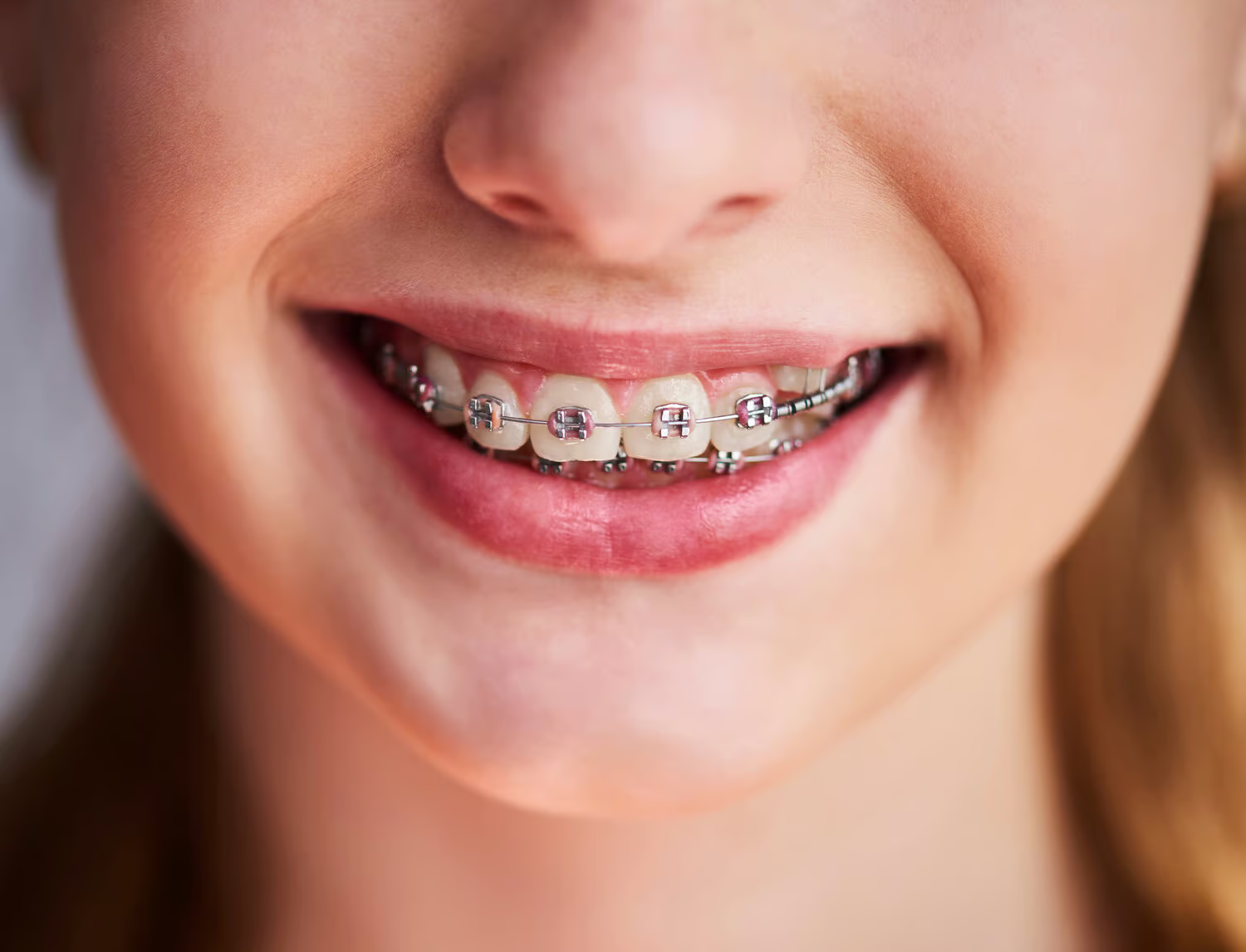
FSA or HSA Funds for Braces
Yes. Orthodontic treatment, including braces and clear aligners, is generally an eligible expense for both flexible spending accounts (FSAs) and health savings accounts (HSAs). The biggest difference is timing: FSA dollars typically expire at the end of the plan year, while HSA funds roll over. At Craig Family Orthodontics, we know benefit deadlines can be confusing, so this guide breaks down how the rules work and what to ask before December 31.
Can I Use FSA or HSA Funds for Braces and Clear Aligners?
In most cases, yes. Both account types can be used for qualified medical expenses, and orthodontic care is widely treated as one of them. That includes braces, clear aligners, and related appointments. You can generally use these funds for your own care, your spouse's care, or care for a tax dependent. Because every plan is administered a little differently, confirm eligibility with your plan administrator before you pay.
What Is the Difference Between an FSA and an HSA for Orthodontic Care?
Both accounts let you pay for orthodontic costs with pre-tax dollars, but they follow different rules:
If you have an FSA, check whether your plan offers a grace period of up to two and a half months or a limited carryover. A plan may offer one of these, not both, and some plans offer neither.
How Does FSA Reimbursement Work With Orthodontic Payment Plans?
FSAs generally reimburse expenses when the service is provided, not simply when you pay for it. For orthodontics, that usually means your initial payment is reimbursable when treatment begins, and your monthly installments are reimbursable as they come due. Because plans handle prepayment differently, paying for an entire course of treatment in December does not always guarantee the full amount will be reimbursed from this year's balance.
Many plans also ask for a copy of your treatment contract and payment schedule along with proof of payment. Ask your plan administrator exactly what documentation they require so your claims go through smoothly.
Should I Start Orthodontic Treatment Before the Year Ends?
Only if the timing is right for your smile. Orthodontic treatment should be based on a proper evaluation, not a deadline. That said, if you were already considering braces or aligners, the end of the year is a practical time to ask questions, get a clear cost estimate, and understand your options. A consultation with Dr. Dana E. Craig can help you learn whether treatment makes sense and what a realistic start date looks like.
If treatment is planned for 2027 instead, fall open enrollment is a good opportunity to set aside FSA dollars for the year ahead, or to review how much you are contributing to your HSA.
How Can I Combine Insurance, Payment Plans, and FSA or HSA Funds?
Most families use a combination of resources. Here is a simple way to approach it:
- Check your dental insurance. Orthodontic coverage varies by plan, so find out what your benefits include and any limitations that apply.
- Get a clear cost breakdown. Ask for an estimate that separates what insurance is expected to cover from your out-of-pocket portion.
- Apply FSA or HSA funds to the remaining balance. These accounts can reimburse your out-of-pocket costs, but not amounts already paid by insurance.
- Choose a payment schedule that fits your budget. Monthly payments can line up well with how FSAs reimburse orthodontic care.
- Keep your paperwork. Save your contract, payment schedule, and receipts in case your plan requests them.
Our team can help with several of these steps. As outlined on our Financial & Insurance page, we accept a wide range of dental insurance plans, verify your orthodontic benefits, submit claims on your behalf, and offer monthly payment plans as well as third-party financing through OrthoFi.
Can I Use FSA or HSA Funds for My Child's Braces?
Yes. FSA and HSA funds can generally be used for eligible dependents, which makes them a helpful resource for families planning early orthodontic treatment or teen braces. Adults can use their own funds as well, whether they are exploring adult orthodontics or finishing treatment with retainers. If more than one family member needs care, our team can help you plan around multiple patients.
Frequent Questions
Can I pay for my whole treatment up front with FSA funds?
Not always. Many plans only reimburse orthodontic expenses as services are provided, so a large prepayment may not be fully reimbursable. Check your plan's rules before paying in full.
What happens to my FSA money if I do not use it?
Unused FSA funds are generally forfeited at the end of the plan year. Some plans allow a short grace period or a limited carryover, so review your plan documents or contact your administrator to see what applies to you.
Do HSA funds expire at the end of the year?
No. HSA funds belong to you and roll over from year to year, so there is no year-end deadline to spend them. You can use them whenever a qualified orthodontic payment comes due.
Can I use my HSA for a family member's braces?
Yes. HSA funds can generally be used for qualified medical expenses for you, your spouse, and your tax dependents.
Can I use FSA or HSA funds for retainers?
Retainers are typically part of orthodontic care and are often eligible, but it is best to confirm with your plan administrator. Learn more about retainers and repairs to see what follow-up care to expect after treatment.
Can I use FSA or HSA funds together with dental insurance?
Yes, but these accounts can only reimburse the portion you actually pay out of pocket. They cannot be used for amounts your insurance has already covered. Because rules vary by plan, check with your plan administrator or a tax professional for guidance on your situation.
We have offices in Hermitage and Greenville, PA.
