DIY and Mail-Order Aligners vs. In-Office Orthodontic Care: What You Should Know
What You Should Know
Mail-order and DIY aligners are not a substitute for care from an orthodontist. This fall, the U.S. Food and Drug Administration (FDA) published new consumer information stating that it has not authorized clear aligners marketed directly to consumers without supervision by a dentist or orthodontist. The agency also recommends an in-person evaluation before starting treatment. At Craig Family Orthodontics, we understand why at-home options sound appealing, so here is a clear look at how they compare to in-office care.
What Is the Difference Between Mail-Order Aligners and In-Office Orthodontic Care?
The biggest difference is professional supervision. Mail-order programs are built around convenience, while in-office care is built around diagnosis, monitoring, and adjusting your treatment as your teeth move.
What Did the FDA Say About Direct-to-Consumer Clear Aligners?
The FDA states that clear aligners are prescription devices and that using them without proper professional supervision may increase the risk of complications. In its consumer information on clear dental aligners, the agency notes that it has received reports from patients using unauthorized direct-to-consumer aligners who experienced new or worsening tooth pain, jaw pain, bite problems, worsening misalignment, and new gaps between teeth.
The FDA also acknowledges that some treatment plans include remote monitoring and virtual visits. Even so, it emphasizes that periodic in-person visits help reduce the risk of an uneven bite, unintended tooth movement, pain, and tooth loss, and help confirm your treatment is progressing as planned.
What Can Go Wrong With DIY or Mail-Order Aligners?
Moving teeth is a medical treatment, and the biggest risks come from skipping the steps that keep it safe. Common concerns include:
- Undiagnosed oral health problems. Without an in-person exam and X-rays, issues such as cavities or gum disease may go unnoticed before teeth begin to move.
- Unintended tooth movement. Teeth that shift in the wrong direction can create new gaps or worsen existing alignment concerns.
- Bite problems and jaw pain. Straight teeth are only part of the goal. How your upper and lower teeth fit together matters just as much.
- Limited ability to adjust. If your teeth are not responding the way the plan predicted, there may be no clinician monitoring progress who can change the approach.
- Retreatment. If results fall short, you may need to start over with supervised care, which can add time and cost.
Are DIY Braces Made With Household Items Safe?
No. Rubber bands, string, and other improvised methods apply uncontrolled force to teeth, and they can damage gums, roots, and the bone that supports your teeth. The American Dental Association and the American Association of Orthodontists have both cautioned against do-it-yourself orthodontics. Orthodontic treatment relies on gentle, carefully directed forces, which is something at-home shortcuts cannot replicate.
What Does In-Office Orthodontic Treatment Include?
In-office care is designed to keep treatment safe, predictable, and tailored to you. At our practice, led by Dr. Dana E. Craig, that approach includes:
- An in-person exam with X-rays and digital imaging to evaluate your teeth, gums, and bite
- A personalized treatment plan with options such as clear aligners or braces, depending on what suits your smile
- Regular visits to monitor progress and adjust treatment when needed
- Prompt help for broken appliances or discomfort through our emergency orthodontic care
- Long-term follow-up with retainers and repairs to protect your results
Whether you are an adult interested in adult orthodontics or a parent considering early orthodontic treatment for your child, you can learn more about the process on our What to Expect page.
Is In-Office Orthodontic Care More Expensive Than Mail-Order Aligners?
Mail-order programs often advertise a lower upfront price, but the total cost depends on whether treatment achieves the results you want. If aligners do not deliver as planned, additional treatment can add to your overall investment. The cost of in-office care varies based on your needs and treatment plan, and our team will walk you through it during your consultation.
We also work to make care accessible. As outlined on our Financial & Insurance page, we accept a wide range of dental insurance plans, help verify your orthodontic benefits, and offer monthly payment plans and third-party financing.
How Can I Tell Whether Aligner Treatment Is Properly Supervised?
Before starting any aligner program, ask these questions:
- Will a licensed dentist or orthodontist examine me in person? The FDA recommends an evaluation to determine whether aligners are appropriate, preferably in person.
- Will I have X-rays taken before treatment? Imaging helps identify concerns that cannot be seen from photos or impressions alone.
- Who monitors my progress, and are in-person visits included? Periodic visits help keep teeth moving safely.
- Is the aligner FDA authorized, not just FDA registered? The two are not the same. Registration means a manufacturer has listed its products with the FDA, while authorization means the FDA reviewed the specific product. Your orthodontist can answer this for you.
- What happens if something goes wrong? Know who you would call and how problems, refinements, and retainers are handled.
What Should I Do If I Have Already Started Mail-Order or DIY Treatment?
If you have new or worsening pain, bite changes, or other concerns, contact a dentist or orthodontist for an evaluation. The FDA advises the same for anyone using clear aligners who develops new or worsening symptoms. An orthodontist can examine your teeth, review your progress, and talk through your options for moving forward safely. For urgent discomfort, we offer same-day emergency appointments when available.
Frequent Questions
Are clear aligners from an orthodontist different from mail-order aligners?
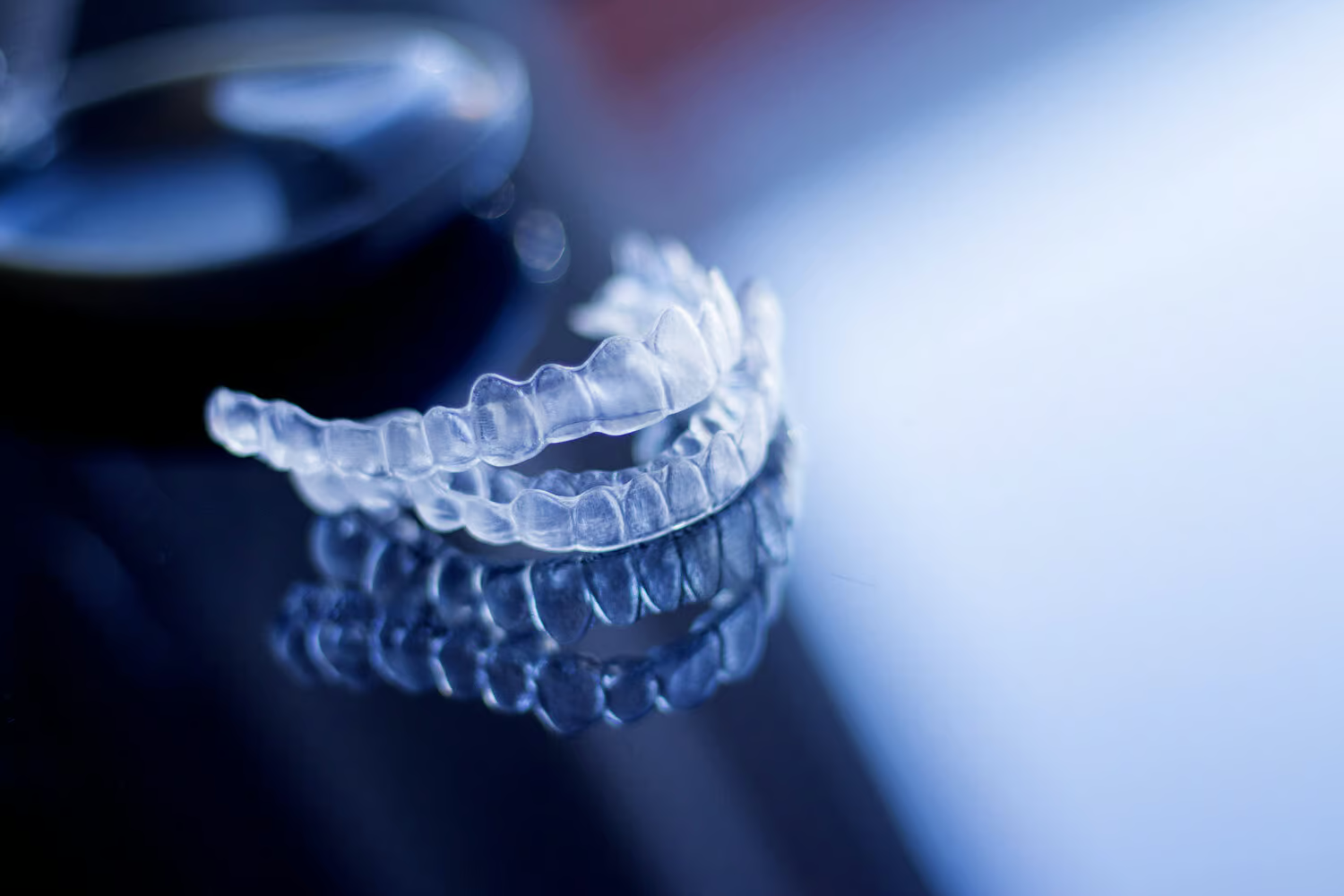
The trays may look similar, but the care behind them is very different. Orthodontist-supervised aligner treatment begins with an in-person exam and X-rays, follows a plan designed for your specific teeth and bite, and includes ongoing monitoring by a clinician.
Is remote monitoring ever part of safe aligner treatment?
The FDA acknowledges that some treatment plans include remote monitoring and virtual visits. It also stresses that periodic in-person visits remain important for reducing risks and confirming that treatment is progressing appropriately.
What does FDA registered mean compared to FDA authorized?
FDA registered means a company has listed its facility and products with the agency. FDA authorized means the FDA has reviewed the specific product and cleared or approved it for use. They are not the same, so ask your provider which applies to your aligners.
Do many patients need retreatment after mail-order aligners?
In American Association of Orthodontists member surveys, a large majority of responding orthodontists (77 percent) reported seeing patients who needed retreatment after mail-order treatment without an initial in-person exam. That reflects orthodontists' experience rather than an overall complication rate, but it highlights why a proper evaluation matters.
Who is a good candidate for clear aligners?
Clear aligners work well for many teens and adults, but not every smile. An orthodontic exam determines whether clear aligners, braces, or another approach is the best fit for your teeth and bite.
Is supervised care especially important for children and teens?
Yes. Children and teens are still growing, and treatment often needs to account for jaw and tooth development. An in-person evaluation by an orthodontist helps determine the right timing and approach for each young patient.
We have offices in Hermitage and Greenville, PA.