Mouthguards for Braces: How to Protect Your Smile During Winter Sports

Mouthguards and Braces
Yes, you should wear a mouthguard for sports when you have braces. A properly fitted mouthguard helps protect your teeth, your braces, and the soft tissue of your lips and cheeks from impact, and the best type depends on your sport and your stage of treatment. At Craig Family Orthodontics, we want our patients to stay active all season long. With basketball, hockey, wrestling, and snow sports getting underway, now is a great time to make sure your mouth is protected.
Do I Really Need a Mouthguard With Braces?
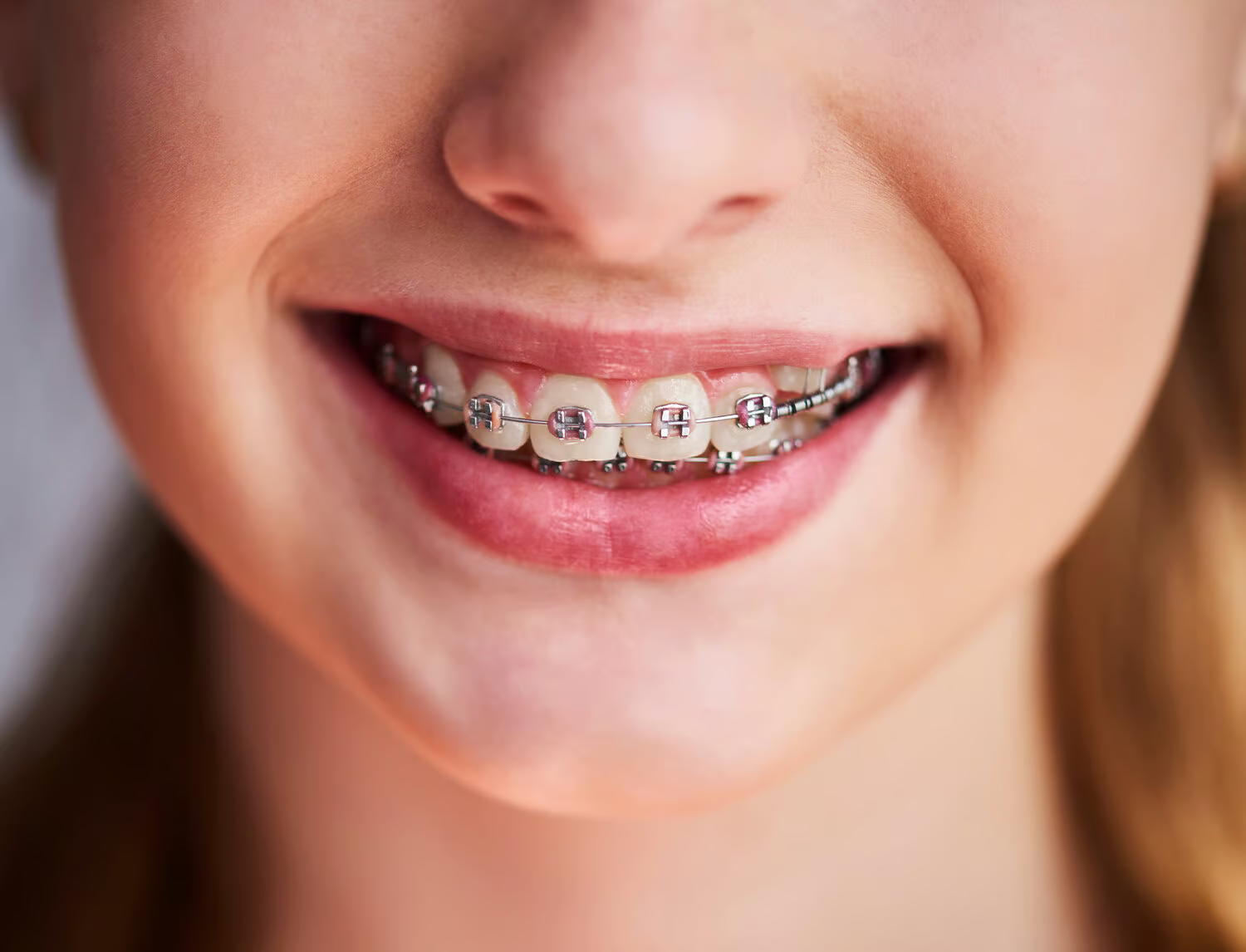
Yes, especially for any sport with contact or a risk of falls. Without a mouthguard, a hit to the face can push brackets and wires into the inside of your lips and cheeks, break brackets, bend wires, or injure your teeth. A mouthguard creates a protective barrier between your braces and the soft tissue of your mouth, and it helps absorb the force of an impact.
Which Winter Sports Call for a Mouthguard?
Mouthguards are recommended for contact and collision sports and for any activity where a fall or blow to the mouth is possible. Popular winter examples include:
- Basketball
- Ice hockey
- Wrestling and martial arts
- Skiing and snowboarding
- Ice skating and sledding
If you wear braces, it is worth strongly considering a mouthguard for any sport, even those that do not involve much contact, since an unexpected fall or collision can happen in any activity.
What Type of Mouthguard Is Best for Braces?
There are three main types of mouthguards, and each offers a different balance of fit, protection, and cost:
- Stock mouthguards are ready-made and inexpensive, but they offer the least customization and may not fit comfortably over braces.
- Boil-and-bite mouthguards are softened in hot water and shaped to your teeth by biting into them. They offer a better fit than stock guards, and many can be reheated and reshaped as your teeth move. Follow the directions carefully, since biting too hard can thin the material and reduce protection.
- Custom-made mouthguards are created from impressions of your teeth and are designed for the best fit, comfort, and protection. They cost more, and they may need adjustments as your braces move your teeth.
A custom mouthguard is generally considered the best option, but any properly fitted mouthguard designed for braces is far better than none. Look for products made to fit over braces, and ask our team which type makes sense for your sport and your treatment.
Does a Mouthguard Need to Cover Both Top and Bottom Teeth?
Most mouthguards cover only the upper teeth. If you have braces on your lower teeth, your orthodontist may recommend protection for the lower teeth as well, particularly in higher-contact sports. Ask about the best option for your appliances at your next appointment.
Can I Wear a Mouthguard With Clear Aligners or Retainers?
Clear aligners and retainers are not designed to protect against impact, so they are not a substitute for a mouthguard. If you wear clear aligners or retainers, ask your orthodontist whether to remove them during play and which type of mouthguard to use over your teeth.
How Do I Take Care of My Mouthguard?
A clean, well-maintained mouthguard protects better and keeps bacteria away from your teeth and braces. Follow these simple habits:
- Rinse it before and after each use. Cool water works well.
- Brush it gently. Use a toothbrush and a small amount of toothpaste or mild soap, then rinse well.
- Store it in a ventilated case. A hard container with air holes keeps it protected and dry.
- Keep it away from heat. Hot water, direct sunlight, and a hot car can warp the material.
- Check it regularly. Replace it if it is worn, cracked, or no longer fits comfortably.
How Often Should I Replace My Mouthguard During Treatment?
As your teeth move during orthodontic treatment, the fit of your mouthguard can change. A guard that feels too tight, too loose, or uncomfortable may not protect you properly and can even irritate your mouth. Bring your mouthguard to your appointments so we can check the fit, and plan on getting a new one once your braces come off, since your teeth will be in new positions.
What Should I Do If I Hurt My Mouth During a Game?
If you take a hit to the mouth, stop playing and check for injuries. Then:
- Rinse your mouth gently with warm salt water.
- If your lip or cheek is bleeding, apply gentle pressure with clean gauze.
- If a wire is poking you, cover it with a small piece of orthodontic wax. Do not try to cut it or remove a broken bracket yourself.
- Avoid hard and sticky foods until you have been seen.
Our guide to broken brackets and wires has more detail on what to do until you reach the office. Led by Dr. Dana E. Craig, our team provides emergency orthodontic care for broken appliances and other urgent concerns, and we offer same-day emergency appointments when available. A knocked-out or fractured tooth, a significant blow to the head or face, or bleeding that does not stop needs immediate dental or medical attention.
Frequently Asked Questions About Mouthguards and Braces
Can I play sports with braces?
Yes. Patients with braces can enjoy sports safely by wearing a properly fitted mouthguard and keeping up with regular appointments. Learn more about braces and how to care for them during treatment.
Is a custom mouthguard worth it for braces?
A custom mouthguard offers the best fit and protection, which can be especially helpful for athletes in high-contact sports. If a custom guard is not in the budget, a boil-and-bite or stock mouthguard designed for braces is still much better than wearing nothing.
Can I use a regular boil-and-bite mouthguard over braces?
Many boil-and-bite mouthguards work well with braces, provided they are designed to fit over brackets and feel comfortable once shaped. Standard guards may not fit as well, so ask your orthodontist which product they recommend.
What if my mouthguard is uncomfortable or makes it hard to breathe?
Do not just put up with it. A guard that feels too tight, too loose, or affects your breathing is not doing its job. Contact our office so we can help you find a better fit.
Do I need a new mouthguard after my braces come off?
Most likely. Your teeth will be in different positions after treatment, so a mouthguard made during braces may no longer fit properly. Your orthodontist can advise you on the best option as you finish treatment.
We have offices in Hermitage and Greenville, PA.