Overbite, Underbite, Crossbite, and Open Bite: What They Are and How Orthodontists Fix Them
Understanding Common Bite Problems
A bite problem, also called a malocclusion, means your upper and lower teeth do not fit together properly when your jaws close. The four most common types are overbite, underbite, crossbite, and open bite, and an orthodontist can treat all of them with options such as braces, clear aligners, and early orthodontic care. At Craig Family Orthodontics, we help children, teens, and adults in Hermitage, Greenville, and surrounding communities understand their bite and find the right path to a healthier, more comfortable smile.
What Does a Healthy Bite Look Like?
In a healthy bite, your upper teeth fit slightly over your lower teeth, the points of your back teeth meet evenly, and your jaws close without strain. When teeth or jaws are out of alignment, that balance is lost. Bite problems often run in families and can show up at any age, which is why they are one of the most common reasons patients visit an orthodontist.
What Is an Overbite?
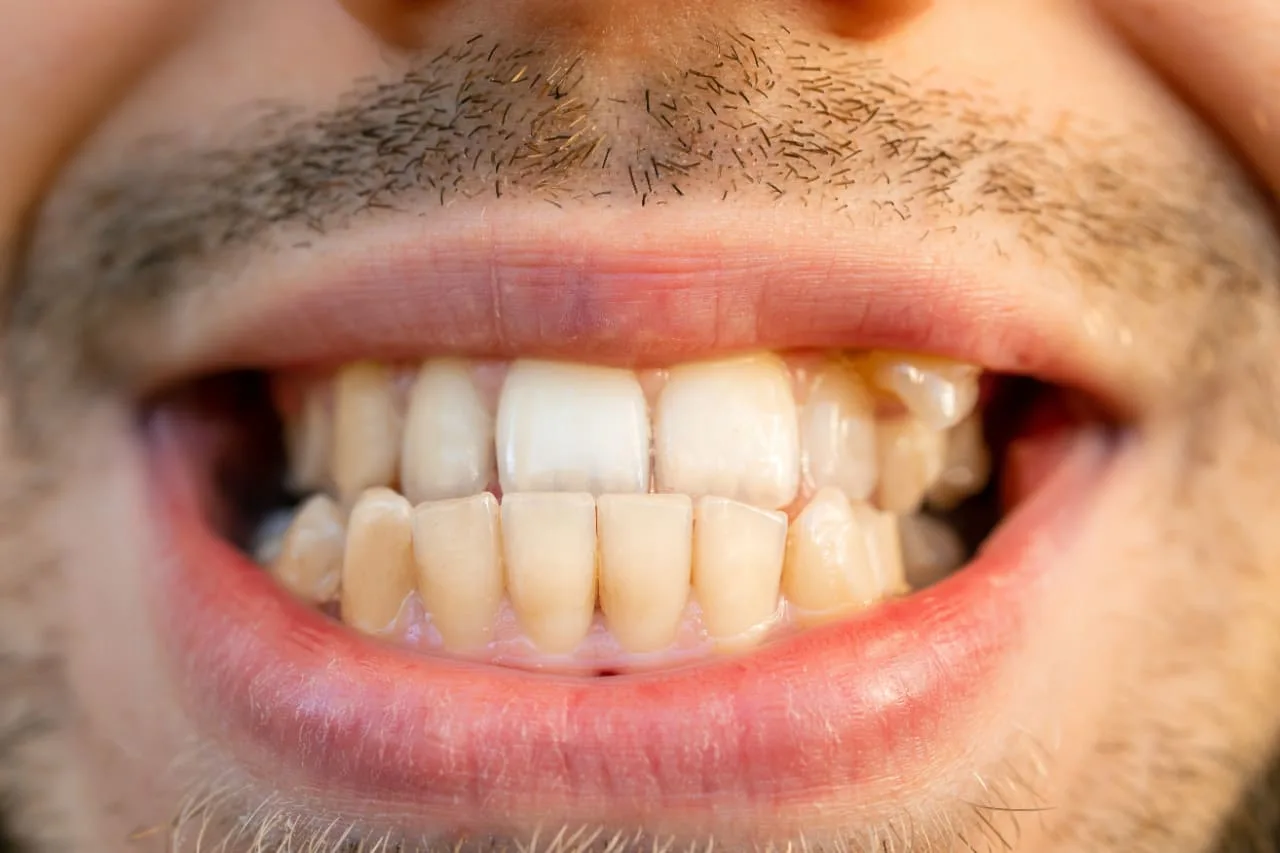
An overbite happens when the upper front teeth overlap the lower front teeth too much. A small overlap is normal, but a deep overbite can cause the lower teeth to bite into the roof of the mouth or the back of the upper teeth. Over time, it may lead to uneven wear and added strain on the teeth and jaw.
What Is an Underbite?
An underbite is the opposite pattern, where the lower teeth sit in front of the upper teeth when the mouth closes. It can make biting and chewing less efficient and may give the lower jaw a more prominent appearance. Underbites are often tied to jaw growth, so early evaluation can be especially helpful for children.
What Is a Crossbite?
A crossbite occurs when some of the upper teeth sit inside the lower teeth when you bite down. It can affect the front teeth or the back teeth, and it may involve one side of the mouth or both. Left untreated, a crossbite can contribute to uneven tooth wear and may cause the jaw to shift to one side as it closes.
What Is an Open Bite?
An open bite means some of your teeth do not touch when your back teeth are closed together, leaving a vertical gap. It most often affects the front teeth, and it can make it difficult to bite into foods like sandwiches or pizza. In some cases it can also affect how certain sounds are pronounced.
What Causes Bite Problems?
Most bite problems develop from a combination of factors. Common causes include:
- Genetics. The size and shape of your jaws and teeth are often inherited.
- Jaw growth. Differences in how the upper and lower jaws develop can affect how they meet.
- Childhood habits. Thumb sucking or pacifier use that continues beyond early childhood can influence tooth position and bite.
- Early or late tooth loss. Losing baby teeth too soon, or keeping them too long, can change how adult teeth come in.
- Tongue thrusting. Ongoing pressure from the tongue against the front teeth can shift them over time.
- Injury. Trauma to the teeth or jaw can change alignment.
Why Does a Bite Problem Matter Beyond Appearance?
A bite problem is more than a cosmetic concern. Depending on the type and severity, it may contribute to:
- Difficulty biting or chewing certain foods
- Uneven wear, chipping, or damage to teeth
- Jaw discomfort or tension
- Changes in speech
- Areas that are harder to clean, which can raise the risk of plaque buildup
That said, not everyone with a bite problem has symptoms. An evaluation is the best way to understand how your bite may be affecting your oral health.
How Do Orthodontists Treat Bite Problems?
The right approach depends on the type of bite problem, its severity, and your age. Treatment options may include:
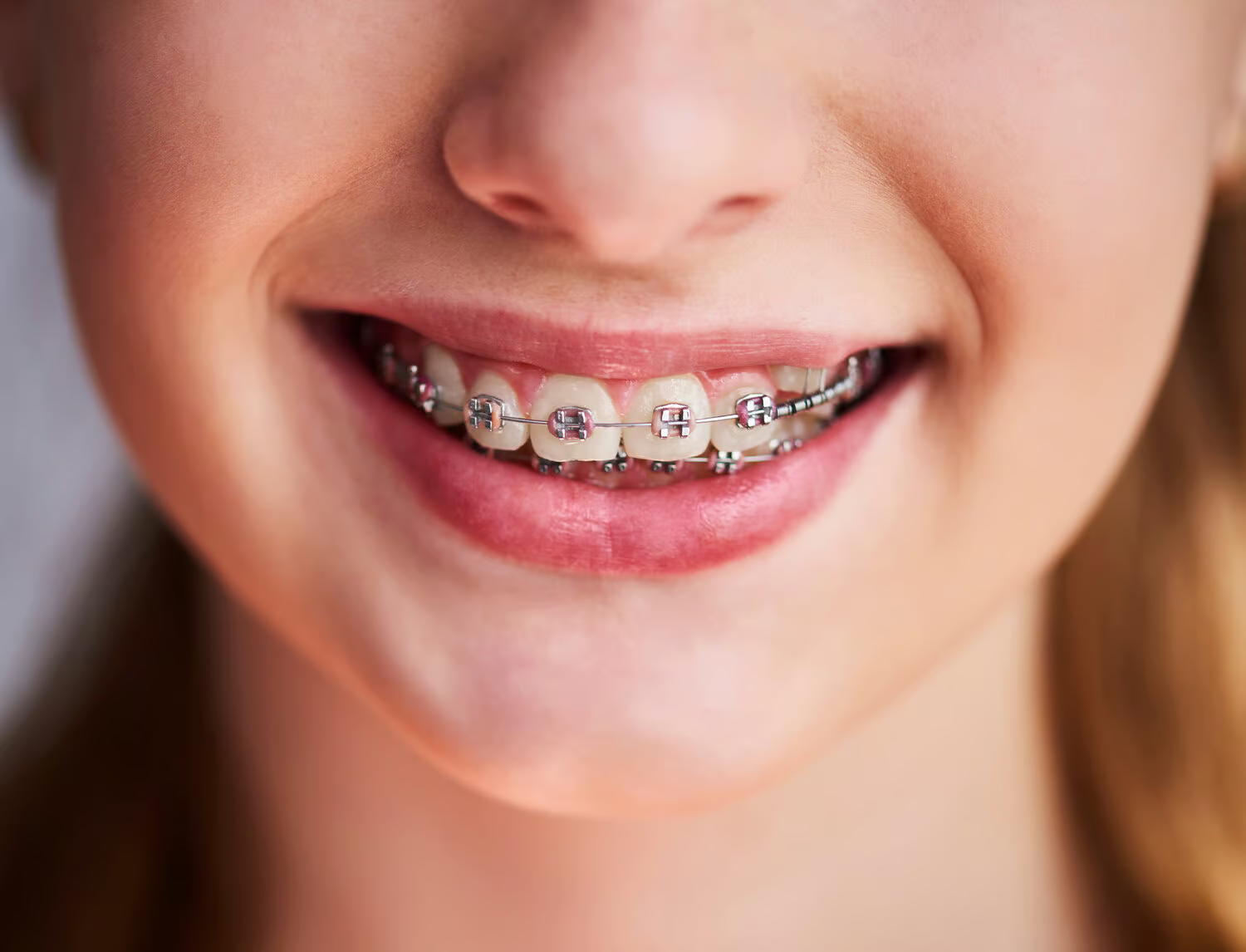
- Braces use brackets and wires to move teeth with precise, controlled pressure. They are often recommended when more detailed, multi-directional tooth movement is needed to correct a bite.
- Clear aligners can correct some bite problems with removable, nearly invisible trays. Whether they are the right fit depends on the specifics of your case.
- Early orthodontics uses interceptive treatment to guide jaw development in children, which can help prevent more serious bite problems later.
- Elastics and supporting appliances may be added to braces or aligners to help shift the upper and lower teeth into better alignment.
- Retainers hold your corrected bite in place after active treatment is complete.
In some more complex adult cases involving significant jaw differences, orthodontic treatment may be combined with oral surgery. Your orthodontist can tell you whether that applies to you after an evaluation.
Can Mail-Order Aligners Fix a Bite Problem?
Not reliably. Correcting a bite depends on how your upper and lower jaws fit together, which is best evaluated in person with X-rays and a hands-on exam. The FDA has noted that patients using unsupervised direct-to-consumer aligners have reported bite problems, among other concerns. Read more about the differences in our guide to DIY and mail-order aligners vs. in-office orthodontic care.
What Happens at a Bite Evaluation?
Your first visit is a comprehensive consultation. Led by Dr. Dana E. Craig, our team will carefully examine your teeth, bite, and jaw alignment, take digital images, discuss your concerns, and create a customized treatment plan with clear recommendations and timelines. You can see the full process on our What to Expect page.
Frequently Asked Questions About Bite Problems
What is the difference between an overbite and an overjet?
An overbite describes how much the upper front teeth overlap the lower front teeth vertically. An overjet describes how far the upper front teeth stick out horizontally in front of the lower teeth. Many people use the word overbite for both, but your orthodontist will measure each one separately.
Can bite problems fix themselves?
Bite problems rarely correct on their own, and some can become more noticeable over time as the jaws and teeth continue to change. A professional evaluation can help determine whether treatment is needed now or whether it is best to monitor your smile first.
Can adults fix an overbite, underbite, crossbite, or open bite?
Yes. Orthodontic treatment is effective at any age, and many adults correct bite problems with braces or clear aligners. Learn more about adult orthodontics and what to expect.
At what age should a bite problem be checked?
Bite problems can often be spotted in childhood, and an early evaluation helps your orthodontist recommend the ideal timing. Some concerns are best addressed while a child is still growing, while others are monitored until the right time to begin.
Do clear aligners work for every type of bite problem?
Not always. Clear aligners can correct many alignment and bite concerns, but more complex cases often call for braces to achieve precise results. An orthodontic exam will determine which option fits your bite best.
Do bite problems cause jaw pain or headaches?
Some bite problems may contribute to jaw discomfort or uneven wear, but not everyone experiences symptoms, and many factors can cause jaw pain or headaches. If you are experiencing discomfort, an orthodontic evaluation can help determine whether your bite plays a role.
We have offices in Hermitage and Greenville, PA.